Amazon Abandons Northern Virginia Data Center Project for Residential Development
After intense local opposition, the tech giant will convert a 122-acre site into housing and public spaces, marking a significant shift in its regional infrastructure strategy.
By Rafael Ortega ·
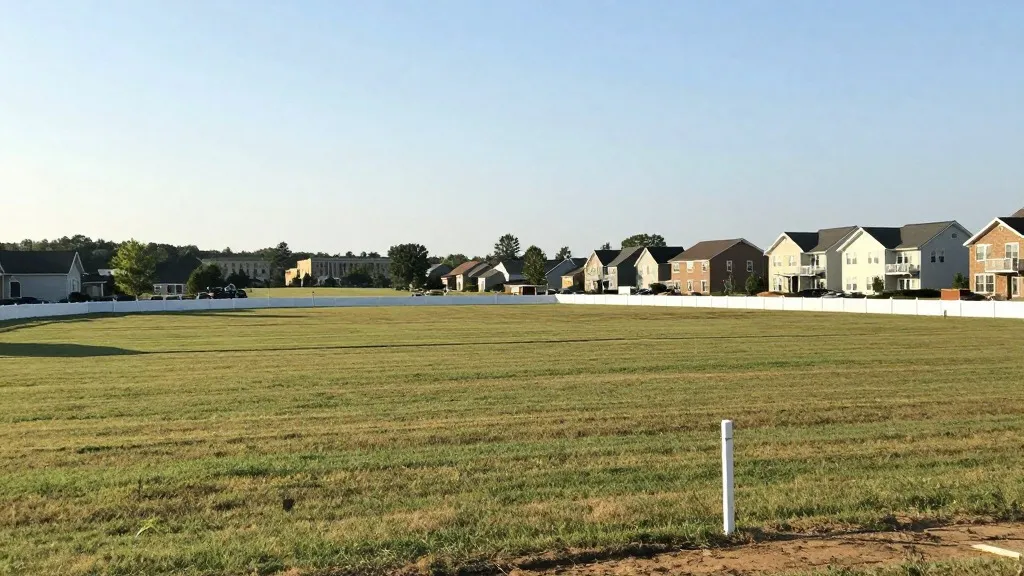
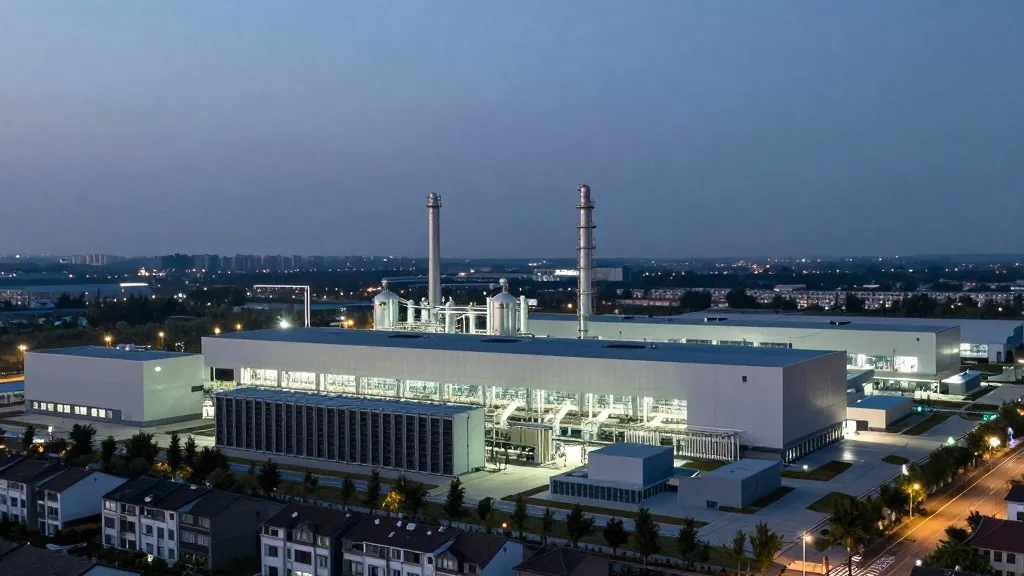
Amazon has formally withdrawn its proposal to construct four new data centers on a 122-acre parcel in Loudoun County, Virginia, replacing the plan with a mixed-use development that includes residential housing. The company will also donate 25 acres of the property to the county for a community arts center and recreational facility, along with a $5 million contribution to the local housing fund. This decision resolves a standoff that began when Amazon first submitted its building proposal in July of this year, following months of intense scrutiny from local residents and county officials.
The site, formerly part of the George Washington University campus, was targeted for high-density computing facilities despite being located in a region already known as "Data Center Alley" for having the highest concentration of such facilities globally. The pivot away from data centers reflects a broader trend in the area, where community concerns over noise pollution and massive energy consumption have forced local governments to reconsider their approval processes for new infrastructure projects. For Amazon, the move signals a willingness to trade potential computing capacity for smoother community relations and faster development timelines.
Josh Weissman, Amazon’s vice president for data center development, explained that the company initially moved quickly to secure the former university campus when it became available. However, he acknowledged that the company weighed the county’s "pointed concerns about data center development at this particular site." Weissman noted that while Amazon viewed the property’s legal development potential differently than the county did, they concluded that "the best outcome for all is to come together on a shared vision for this campus rather than engage in costly litigation."
The broader context for this shift involves the escalating tension between the rapid growth of AI-driven infrastructure and local resource constraints. As demand for cloud services and AI storage surges, the need for larger facilities has intensified, but so has the opposition from communities worried about spikes in electricity prices and environmental impacts. Officials have increasingly sought to mediate these conflicts, aiming to streamline construction while addressing community grievances regarding water usage and power grid capacity.
In a related development just days before this announcement, President Donald Trump called on data center builders and AI hyperscalers to pay local communities a dividend to offset energy-related price increases. In a social media post, the President suggested that data centers should be required to generate their own electricity and return excess power to the local grid. This federal commentary highlights the growing political attention on the economic and environmental footprint of the AI boom, which is increasingly seen as a source of regional friction rather than just a technological advancement.
Local leaders in Loudoun County have framed the outcome as a success of collaborative governance. Phyllis J. Randall, the County Board of Supervisors Chair, stated that by "choosing dialogue over reflexive disagreement," the county and Amazon created a mutually beneficial opportunity. Randall emphasized that the agreement provides new spaces for residents to "gather, create, and play," and noted that a primary goal is to "provide more attainable homes for working families," addressing a critical shortage of affordable housing in the region.
The resolution avoids a potential legal battle that could have delayed development for years, allowing both parties to proceed with distinct but complementary projects. For Amazon, the land repurposing allows for a return on investment through real estate development while maintaining a presence in a key tech hub. For Loudoun County, the trade-off yields immediate public benefits, including the promised arts center and additional housing stock, without the long-term operational burdens of hosting four new data centers.
Looking ahead, the agreement sets a precedent for how other tech giants may approach land acquisition in resource-constrained areas. While the immediate need for data center space in Northern Virginia remains high, the willingness of major players to pivot suggests that community acceptance is becoming as valuable as physical capacity. The next steps involve finalizing the design for the mixed-use development and the community facilities, with construction expected to begin in the near future, reshaping the landscape of this suburban county.
This development underscores the evolving relationship between big tech and local municipalities. As AI infrastructure continues to expand, the era of unopposed construction is likely ending, replaced by a model where developers must offer tangible local benefits to secure their projects. For Pacific Northwest readers, this serves as a cautionary tale about the rapid spread of AI infrastructure and the potential for similar pushback in other densely populated tech corridors.
Source: Tom's Hardware