1 New Mandate: AI Data Centers Must Pay Local Energy Dividends
The Trump administration has announced a new policy requiring large data center operators to share excess power costs with nearby residents to reduce local energy bills.
By Camila Rodriguez ·
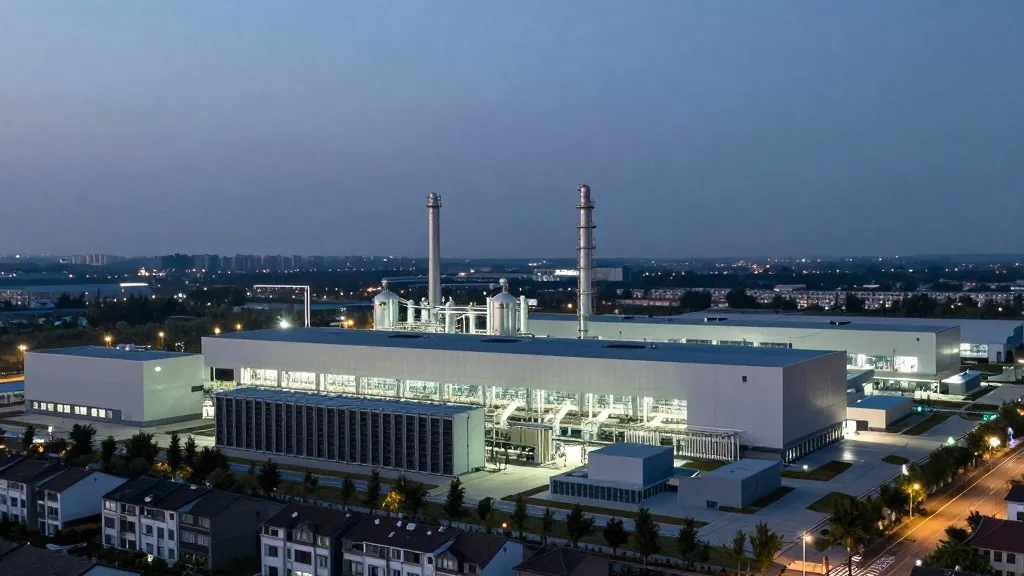
Homeowners living near large technology facilities in the Pacific Northwest may soon see changes to their utility bills. A new presidential directive aims to ensure that the energy costs associated with massive AI data centers do not fall entirely on local communities. Instead, the plan requires these facilities to provide a financial benefit to the neighborhoods where they operate. This shift is designed to address a long-standing complaint among residents who have seen their electricity rates climb as tech giants expand their infrastructure.
President Donald Trump outlined this new approach in a recent post on Truth Social. He stated that data center builders and major AI companies will be mandated to pay a dividend to local communities. The goal is to offset energy-related price increases or, in some cases, lower prices altogether. By making these facilities more financially acceptable to neighbors, the administration hopes to smooth the path for future construction projects.
The core of the new mandate is tied to power generation. The administration has previously ordered these companies to generate their own electricity rather than relying solely on the existing grid. Under the new rule, any excess energy produced by these facilities must be given to or sold back to the local community. This mechanism is intended to prevent local rates from rising due to the high demand of data centers. It also builds on a recently passed act that requires data centers to cover the costs of necessary grid upgrades, preventing those expenses from being passed on to local taxpayers.
Local opposition to these projects has been growing across the United States. Residents frequently cite the outsized impact of these centers on their daily lives. Common grievances include rising electricity costs, significant noise pollution, and strain on local water supplies. Air quality concerns and deforestation have also become major points of contention. For many small communities, the presence of a data center has become a source of friction rather than economic benefit. The new dividend structure is a direct attempt to alleviate these specific pain points.
The administration is keen to maintain a competitive edge in the global AI race against China. To achieve this, it needs to win back favor in communities where these centers are built. The hope is that by making the data centers pay something back, the projects will become more palatable. However, the practical details of how this dividend will be calculated and distributed remain unclear. The focus on electricity suggests that payments may come in the form of partial rebates on rising power costs. This would directly impact households in the immediate vicinity of the facilities.
President Trump emphasized the financial incentive in his social media post. He noted that data centers often become popular in areas after a financial deal is struck. He urged stakeholders to make deals and get the projects built. The administration views this financial arrangement as a key tool for accelerating the deployment of AI infrastructure. The strategy relies on the idea that a tangible economic benefit will outweigh other concerns for local residents.
Despite the optimism, significant questions remain about whether this financial compensation will be enough. The economic aspect is only one part of a complex issue. Data centers consume enormous amounts of water and can cause ecological damage. Pollution and noise remain major challenges that money may not fully resolve. For many communities, these non-monetary factors are just as important as the cost of electricity. The new dividend may help, but it does not eliminate the other burdens these facilities place on the local environment.
The term dividend itself raises questions about corporate profitability. Companies typically pay dividends only when they are profitable. New data center builds often take time to recoup their initial construction costs. This could mean that the financial benefits to communities might be delayed or smaller than expected in the early years of operation. Additionally, the current power generation methods used by these facilities often involve gas-powered generators. These systems can be noisy and polluting, which may not be an ideal outcome for neighbors living very close to the site.
Without strict, enforceable requirements, companies may follow the path of least resistance. There is a risk that the mandate becomes a gesture rather than a substantial benefit. Critics argue that corporate bookkeeping and operating costs could result in a zero-sum outcome for local residents. The administration’s plan aims to balance the need for rapid AI expansion with community support. Whether the financial deal will truly make these projects popular remains to be seen as the first round of dividends is calculated and distributed.
Source: Tom's Hardware